
Amid escalating tensions following airstrikes between the US, Israel, and Iran, shipping companies are no longer selectively diverting their routes but are instead completely withdrawing from the region. Companies have announced a temporary suspension of operations through the Strait of Hormuz. This situation is also creating a chain reaction affecting the global economy.
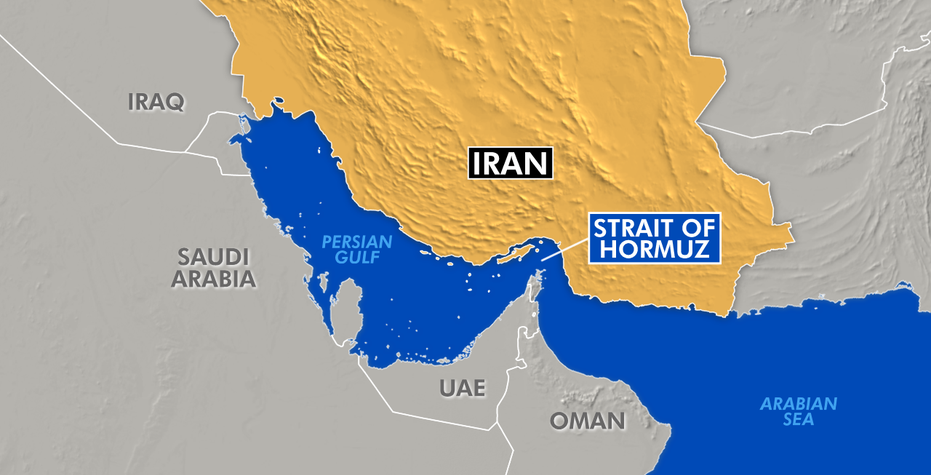
According to Reuters, the Iranian Islamic Revolutionary Guard Corps (IRGC) has declared a complete blockade of the Strait of Hormuz. The Iranian navy has issued a message that no ships are allowed to pass through the area under any circumstances. Following this declaration and attacks on shipping companies, major shipping companies have taken steps to suspend or reroute their routes.
The Director-General of the International Maritime Organization (IMO), Arsenio Dominguez, has also officially urged shipping companies to exercise maximum caution and recommended suspending transit through affected areas until conditions improve. The mass suspension of shipping through Hormuz increases the risk of disruption to global supply chains. Businesses may face extended delivery times, increased shipping costs, and potential shortages of raw materials.
Maersk and CMA-CGM have officially announced the diversion of services. Maersk confirmed that its ME11 and MECL services will be diverted to the Cape of Good Hope instead of the Red Sea. CMA has also instructed ships currently in or heading towards the Persian Gulf to immediately seek shelter. Additionally, the airline has suspended transit through the Suez Canal until further notice, with ships currently in transit being diverted to the Cape of Good Hope.
Hapag-Lloyd has officially suspended its shipping route through the Strait of Hormuz due to the evolving security situation until further notice. The airline emphasized that the safety of its crew, vessels, and cargo is its top priority. Currently, HPL is closely monitoring developments and maintaining contact with authorities and security partners.
MSC has also temporarily suspended accepting cargo shipments worldwide to the Middle East. Simultaneously, it has instructed ships in the Gulf region to seek safe shelter until further notice. The airline stated that precautionary measures have been taken to protect its crew and maintain operations amidst the restricted situation in the region.
The current complex security situation has affected the entire Middle East corridor:
- The Strait of Hormuz is closed.
- A shelter-in-place order has been issued in the Persian Gulf.
- Transit through the Suez Canal has been suspended.
- The Red Sea security risk persists.
The blockade has created a serious bottleneck in the fuel and container markets. Ships are stranded inside the Persian Gulf, and a crucial hub in global maritime trade – Jebel Ali – is also cut off.
- Port congestion: Major hubs like Jebel Ali are completely isolated. Ships within the Gulf cannot set sail. Newly arriving ships cannot enter.
- Route adjustments: Carriers may unload cargo at alternative regional ports. Operators will then continue transporting goods by road if infrastructure permits.
- Extended transit times: The diversion around the Cape of Good Hope adds approximately 10-14 days to most Asia-Europe and Asia-Eastern US routes.
Carriers now face longer delivery times, higher fuel costs, and increasing schedule disruptions. With no immediate seaborne alternative, supply chains must prepare for extended diversions around Africa for the remainder of the year.
