
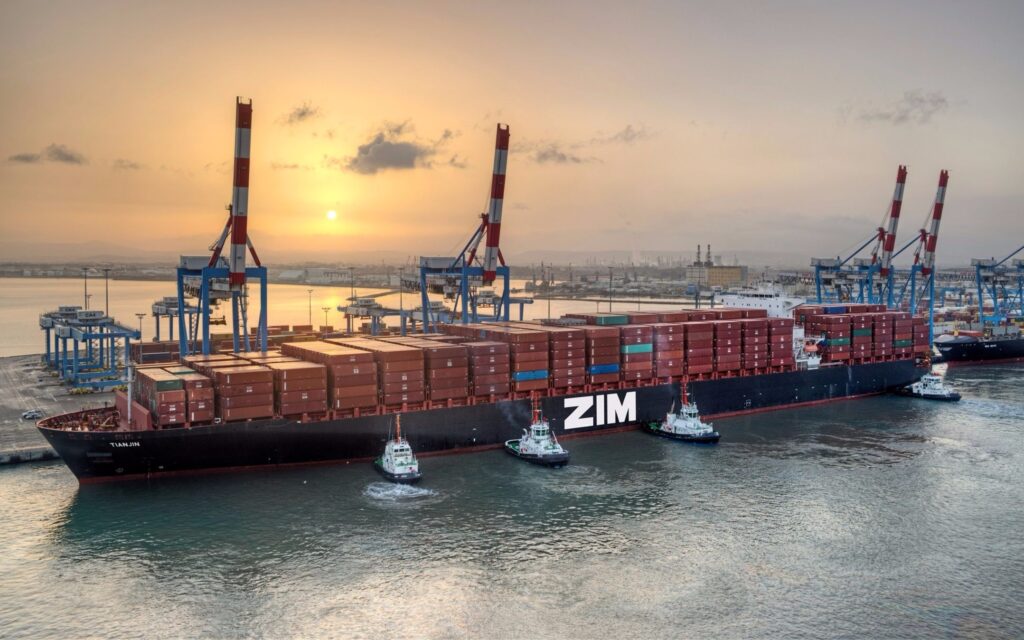
A strike involving approximately 900 employees of the shipping company ZIM Integrated Shipping Services (ZIM) took place on April 16th to protest labor terms in the sale of the company to Hapag-Lloyd (HPL). ZIM union officials fear that HPL will force long-term employees into early retirement.
On the afternoon of April 16th, around 900 ZIM employees went on strike amidst negotiations for a new collective bargaining agreement for the workers’ union. According to CTech, the discussions involved ZIM, HPL, and the Israeli investment fund FIMI. The strike involved almost all of ZIM’s employees in Israel and is believed to have paralyzed the shipping company’s operations locally.
From the beginning, the merger has been controversial. HPL and FIMI will acquire the entirety of ZIM and delist it from the New York Stock Exchange (NYSE) for $4.2 billion. HPL will retain most of ZIM’s global operations and chartered cargo; FIMI will retain ZIM’s routes to and from Israel, along with its owned cargo, preserving the airline’s defense role. Critics have warned that the remaining Israeli-owned portion of ZIM will be too small to thrive, as ZIM is part of the origins, identity, and security of the modern state of Israel. And the transition will lead to downsizing and layoffs.
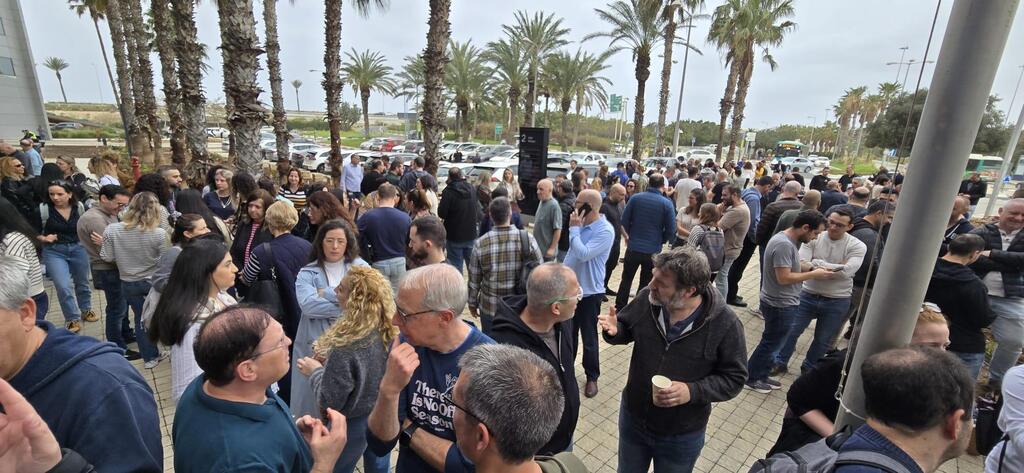
Earlier in February, the Histadrut (Israel General Labor Federation) union declared in a press release that ZIM is not just an ordinary company in Israel but a strategic state asset. Histadrut asserted that ZIM is a crucial link in national security, supply chain stability, and the ability to maintain maritime trade even in emergencies.
Histadrut also supported the “warning strike” initiated by the workers’ committee at ZIM to protest the deal and the risk of job losses. The first strike ended after the two sides reached an agreement on a $300 million severance package for 500 affected workers.
ZIM’s CEO, Eli Glickman, announced his plan to resign after a six-month notice period. He also disagreed with the sale of the company. In a statement, he said that he respected the Board’s direction in the merger with HPL. However, he expressed the position that the role of CEO, a leader, for him, is a commitment that must align with the development path, not just a title.
