
Escalating geopolitical tensions in the Middle East are pushing Indian exporters into a difficult situation, as shipping lines suspend new bookings while cargo owners face massive emergency surcharges and growing cases of shipments being held at ports.
The tensions intensified following attacks by the United States and Israel on Iran starting February 28, dealing a heavy blow to global supply chains. According to exporters, shipping lines are now demanding emergency contingency surcharges of up to $4,000 per 40-foot container (FEU) for shipments of perishable goods. Even more concerning, some carriers are refusing to release cargo, including shipments that had already arrived at ports before the conflict began.
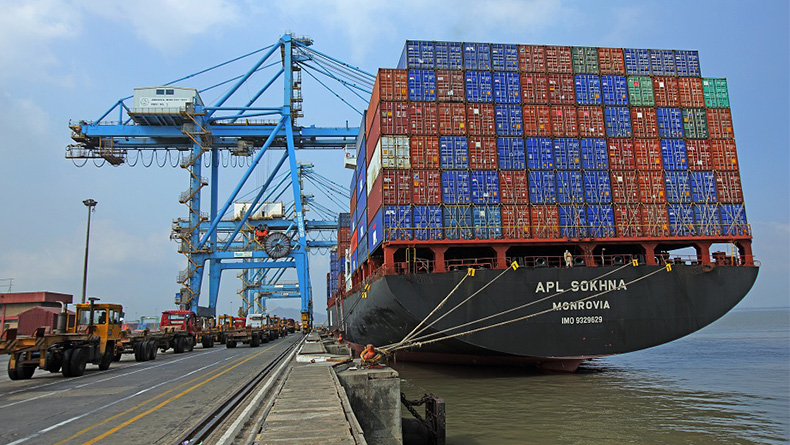
According to The Economic Times, the sudden demand is creating enormous financial pressure on Indian exporters, who are being forced to shoulder unexpected costs. Ajay Sahai, Director General of the Federation of Indian Export Organizations (FIEO), described the situation as unreasonable. He noted that many vessels had already reached Middle Eastern ports before the conflict erupted on February 28, yet several shipping lines have withheld cargo delivery while attempting to impose hefty surcharges. The issue has now been escalated to the Ministry of Commerce.
In response to mounting concerns from businesses, the Indian government has swiftly formed an inter-ministerial task force to assess the impact of the current geopolitical developments on the country’s exports, particularly disruptions across supply chains. Sahai emphasized that such surcharges should, in principle, only apply to cargo that had not yet been loaded onto vessels in India. However, the fees are being imposed on all shipments, while carriers remain reluctant to release cargo due to fears of rising operational costs with no party willing to absorb them.
Compounding the concerns of domestic exporters, shipping lines have also suspended acceptance of export cargo bound for West Asian countries. The disruption extends beyond surcharges, triggering a cascade of issues related to freight rates and equipment availability.
Sharad Kumar Saraf, a Mumbai-based exporter and founding chairman of Technocraft Industries India, said ocean freight rates have already increased by about 50%, while container shortages are emerging as vessels remain stranded at sea. This situation is significantly undermining the price competitiveness of Indian goods in global markets. Additionally, shipping lines are rerouting vessels via the Cape of Good Hope, causing major delays in deliveries to overseas buyers.
The disruption at sea is also placing immediate pressure on air freight. Air cargo rates have begun to climb as the conflict intensifies, further threatening the competitiveness of Indian exports. Market observations show that some airlines operating routes from Kolkata to the Middle East have raised rates from 175 Rupees per kilogram to 425 Rupees per kilogram.
Looking ahead, Sahai warned that the impact of these disruptions on India’s exports is likely to become visible in March trade data. With India’s exports to West Asian economies reaching $58.8 billion in the 2024–2025 fiscal year, any prolonged disruption could leave significant scars on the country’s trade balance.
